
Used Expired Eye Drops? What to Do Next
Stop using the bottle and get an in-date replacement. Monitor for symptoms; sudden vision changes, eye pain, or light sensitivity need same-day care.
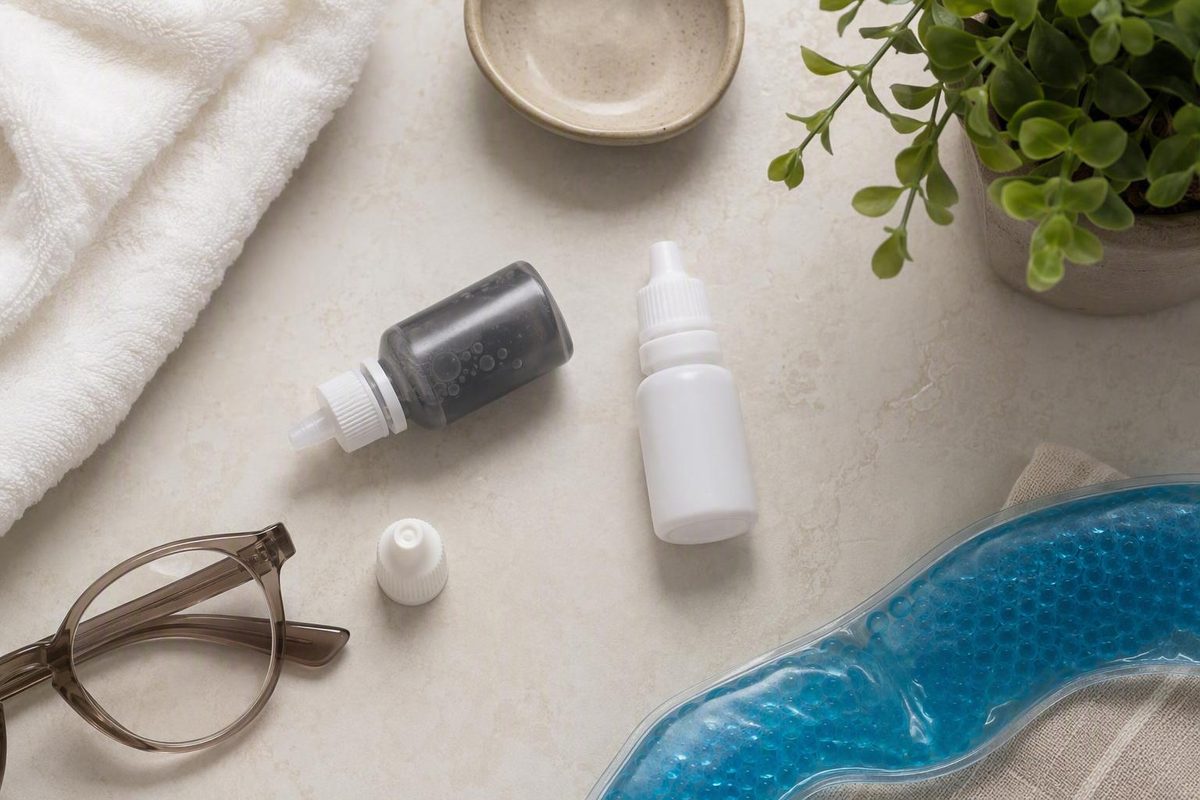
Stop using the expired bottle and set it apart from usable medicines. Check for pain, redness, discharge or changes in vision, and arrange an in-date replacement. A single accidental use does not establish that your eye is infected, but you should not keep using the bottle because it looks clear or caused no immediate discomfort.
Decide how urgently to get help
| What you notice | Next step |
|---|---|
| Sudden loss of vision or sudden severe eye pain | Seek emergency medical care immediately; do not drive yourself |
| New blurred vision, a painful red eye, or sensitivity to light | Obtain urgent clinical advice; do not wait for a routine appointment |
| New discharge, irritation or other unexpected symptoms after the drops | Stop the product and contact an eye-care professional promptly |
| No symptoms after an accidental dose | Stop the expired bottle, arrange replacement and watch for changes; ask a pharmacist or clinician about your particular product |
The NHS distinguishes sudden vision loss or severe pain from other urgent eye symptoms. The FDA advises stopping eye drops and contacting a clinician when they cause unexpected problems. Do not assume a symptom was caused only by expiration: other eye problems can need treatment too.
This is general information, not a diagnosis. Recent eye surgery, an important prescription treatment or rapidly worsening symptoms makes prompt professional advice particularly important.
Keep these details ready when you call
Keep the bottle and packaging available until you have identified the product and received any needed advice. Record:
- Brand, active ingredient and strength
- Printed expiration date and the date opened, if known
- Approximate time and amount used
- Symptoms and when they began
- Storage conditions and any damage to the bottle
- Whether the tip touched an eye, fingers or another surface
- Why the drops were prescribed, if applicable
A photo of the label can help you describe the exact product. You do not need to know every detail before asking for help.
If these were prescription drops
Contact the prescriber or pharmacist promptly for a replacement and instructions about your next dose. Explain if the treatment is for glaucoma, infection, inflammation or recent surgery.
Do not continue the expired bottle, but do not simply leave an important eye condition untreated either. The appropriate replacement may depend on the ingredient, strength and preservative formulation. Ask about the actual prescription rather than substituting a general redness-relief or lubricating drop.
Check which deadline passed
A printed expiration date and a deadline after opening can be different. The earlier applicable limit controls. There is no single 28-day rule for every multidose product: use the label for your bottle. Single-use containers also have their own discard instructions.
If the opening date is unknown and the product has a time-after-opening limit, ask the pharmacist how to replace it rather than guessing that it remains usable. Correct storage does not extend the labeled life. This optometry practice’s expired-drop guidance discusses replacement and the risks of continuing an expired product.
For the wider distinction between expiration and contamination, see whether expired eye drops are safe to use. Here, the practical priority is what to do after the dose: stop, assess symptoms, get appropriate help and replace the bottle.
Replace and dispose of the bottle
Check current recalls for the exact brand and lot if there is a concern. A recalled product and an expired product are different situations; follow the regulator’s instructions for the named recall. Severe outcomes in contamination recalls do not establish the likely outcome from one accidental expired dose.
Ask a pharmacist about local medicine-disposal options. For the replacement, write down the opening date when needed, follow its storage instructions and set a reminder for its discard deadline. Wash your hands before use and keep the tip from touching any surface, as advised in the FDA’s eye-drop guidance.