
Intense Pulsed Light for Dry Eye: Benefits, Risks and Fit
IPL may help dry eye linked to eyelid oil-gland dysfunction. Learn about treatment sessions, evidence limits, safety checks and questions before paying.
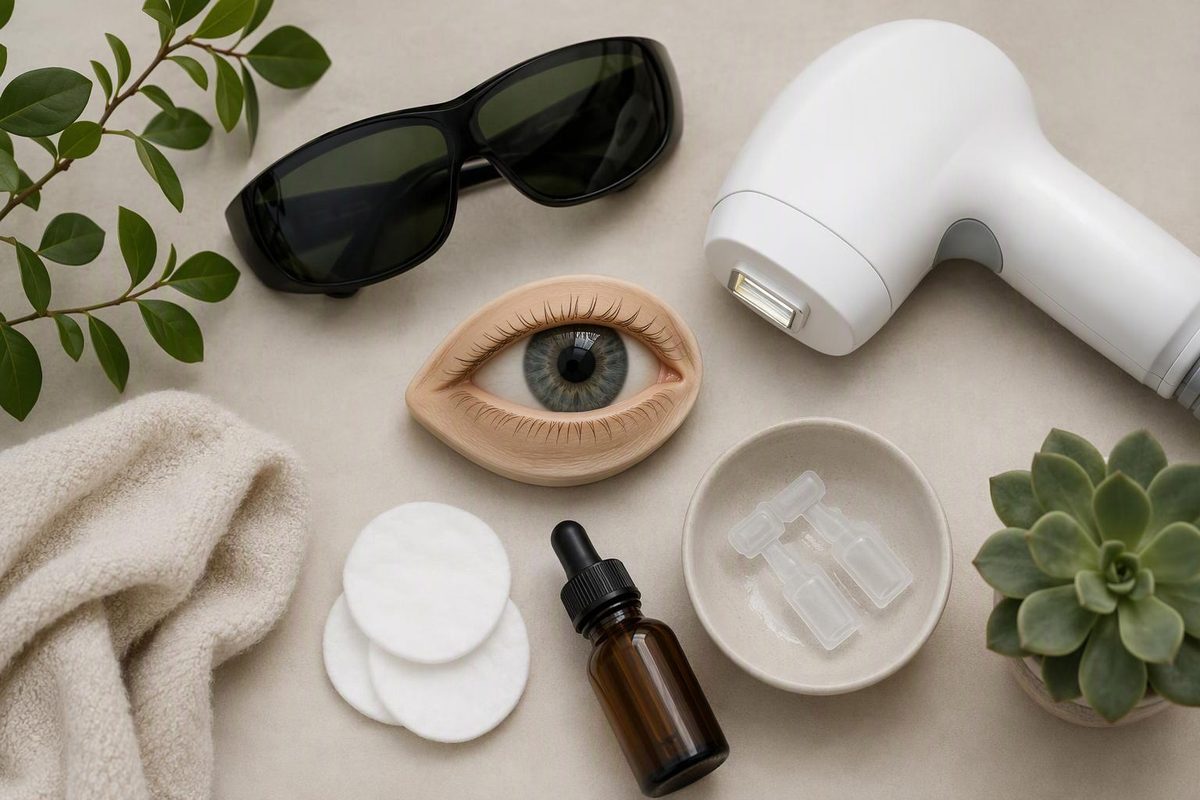
Intense pulsed light (IPL) dry eye treatment is an in-office option for dry eye linked to meibomian gland dysfunction (MGD)—a problem with the oil glands in your eyelids. It may improve tear stability and symptoms, but it is not a treatment for every cause of dry eye or a guaranteed way to stop using drops. The U.S. indication for the FDA-reviewed Lumenis device describes it as an addition to other treatments, not a replacement for them. (FDA device review)
The most useful first question is therefore not “Does IPL work?” but “Is oil-gland dysfunction an important cause of my symptoms?”
What IPL targets
Meibomian glands release oil that helps keep tears from evaporating too quickly. When the glands release too little oil, or the oil’s composition changes, the tear film becomes less stable. This is one route to evaporative dry eye. IPL uses a broad-spectrum flash lamp applied to facial skin; it is not a laser aimed into the eye. (Clinical review)
The treatment aims to improve gland function and reduce inflammation. It is often paired with meibomian gland expression, in which the clinician applies pressure to the eyelids to release gland contents. The FDA-reviewed treatment combined IPL with expression. (FDA device review)
Dry eye can also involve insufficient watery tears or other contributing problems. An examination should assess your tears, eyelids and eye surface before selecting treatment. Burning or blur alone does not establish that IPL is appropriate. (National Eye Institute)
How strong is the evidence?
A systematic review published in a 2025 issue of Acta Ophthalmologica included 13 randomized studies. It found that IPL probably produces a meaningful reduction in MGD-related dry-eye symptoms compared with sham treatment or no treatment. However, whether adding IPL to standard care produces a meaningful extra improvement remained unclear. Evidence for that add-on benefit—and for adverse effects—was rated very uncertain. (Systematic review)
There is also a distinction between better test results and feeling better. In the trial reviewed by FDA, IPL plus gland expression improved tear breakup time—the time before the tear film starts to break apart—more than sham IPL plus expression. But the main comparisons of patient-reported symptom improvement did not show a statistically significant advantage. (FDA trial assessment)
That does not mean IPL cannot help. It means a treatment plan should track both your symptoms and examination findings, rather than treating an improved tear test as proof that your discomfort has resolved.
Who may be a candidate?
IPL is worth discussing when an examination confirms MGD and symptoms remain troublesome despite a cause-specific care plan. For occasional or mild dry eye, artificial tears may be sufficient; warm compresses and lid care are other options for blocked oil glands. (Mayo Clinic)
As checked in October 2026, Lumenis’ U.S. OptiLIGHT indication covers improvement of dry-eye signs due to MGD in patients:
- Aged 22 or older.
- With moderate to severe signs and symptoms.
- With Fitzpatrick skin types I–IV.
The manufacturer lists different skin-type eligibility in the EU, so the specific device’s local labeling matters. Ask the clinician to assess your skin type; do not assume every IPL machine or cosmetic IPL service has the same dry-eye indication. (OptiLIGHT indications and warnings)
What happens during treatment?
For the FDA-reviewed protocol, the eyes are completely covered with adhesive patches and opaque goggles. Coupling gel is used, and pulses are applied to the cheek region below the eyes and across the nose—not to the eyes or eyelids. The clinician then performs gland expression. (FDA procedure description)
A course commonly involves several visits. The FDA-reviewed study used four sessions two weeks apart; Lumenis describes a four-session protocol spaced two to four weeks apart. Its current materials describe sessions lasting roughly 10–15 minutes, though examinations and expression may add appointment time. (FDA study protocol, manufacturer protocol)
IPL and gland expression can cause discomfort. Temporary redness may follow treatment. Ask for the clinic’s preparation and aftercare instructions, including what to do about contact lenses, cosmetics and sun exposure. (FDA assessment, OptiLIGHT patient information and warnings)
Safety checks matter
Possible harms include pain, burns, swelling, pigment changes and scarring. Improper protection or misuse can expose the eyes to damaging light; simply closing your eyes is not an adequate substitute for the specified protection. Do not use a home cosmetic IPL device to treat dry eye. (FDA safety assessment)
Before treatment, provide your full medicine and supplement list and relevant eye, skin and medical history. OptiLIGHT’s published contraindications include recent eye or eyelid surgery, certain infections or lesions, photosensitizing medicines or herbs, and a history of migraines, seizures or epilepsy, among other conditions. This is not a complete eligibility checklist; the clinician must check the device’s current instructions. Do not stop prescribed medicines yourself to qualify. (Manufacturer contraindications, NHS medicine advice)
Eye pain, sudden vision changes or light sensitivity need same-day eye-care attention rather than waiting for an IPL appointment. Sudden loss of vision or pain when looking at light warrants immediate urgent assessment. (NHS urgent eye guidance)
Questions to ask before paying
- What findings show that MGD is driving my symptoms?
- What should I continue at home? OptiLIGHT’s U.S. indication includes other care, such as artificial tears and warm compresses. Our guides explain choosing dry-eye drops and using warm compresses safely.
- How will we judge success, and when? Agree on a follow-up that considers comfort, daily activities and examination results.
- What is the full cost? Request a written quote covering the initial course, expression, follow-up and any proposed maintenance. Ask what would justify repeat treatment, and confirm coverage directly with your insurer.
- What happens if I do not improve? Ask when the clinician would reassess the diagnosis or recommend a different approach rather than automatically extending treatment.
This information can help you prepare for a discussion; individual treatment decisions belong with a qualified eye-care professional.